

The US and China agreed on mutual concessions in trade12.05.2017
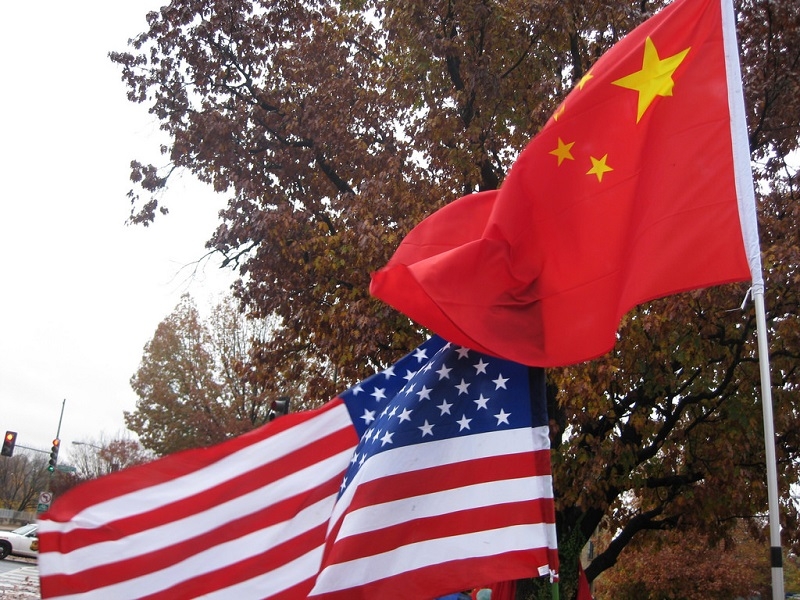
The US and China agreed by mid-July to simplify access to the market of American financial companies, as well as to increase trade of beef and chicken; Washington seeks to reduce the trade deficit with Beijing.
These deals were the first result of 100-day trade talks, which began in April with a meeting between the US President Donald Trump and Chinese leader Xi Jinping, which turned out to be warmer than one might have guessed from Trump's fierce campaign rhetoric.
"This will undoubtedly help us reduce the deficit," said US Secretary of Commerce Wilbur Ross at a press briefing in Washington.
Last year, the US trade deficit with China was $347 billion, according to data from the US Treasury.
By July 16, 100 days after the leaders meeting, China will develop rules that will allow US payment systems to "start the licensing process" in a sector where the Chinese UnionPay has an almost complete monopoly.
In addition, China will allow import of beef from the US no later than July 16, and the States will allow the supply of Chinese finished poultry to their market.
Foreign companies will also be able to provide credit assessment services in China.
During the election race, Trump promised to stop the practice of trade with China and other countries, which he considered dishonest for the United States. His harsh rhetoric towards Beijing gave rise to fears of a trade war.
Nevertheless, over the past month, Trump's tone has softened - the president expressed admiration for Xi Jinping and said he wants Beijing's assistance in the fight against the North Korean nuclear threat.
Shortly after the meeting, Trump said that he promised Xi the best trading conditions in exchange for helping to curb North Korea. China is the only major ally of the neighboring North Korea.
Asked whether the issue of North Korea was discussed at the talks with the US, Deputy Foreign Minister Zhu Guangyao replied that economic issues should not be politicized.