

Russia and Iran could ignite a new conflict in the Middle East04.01.2016
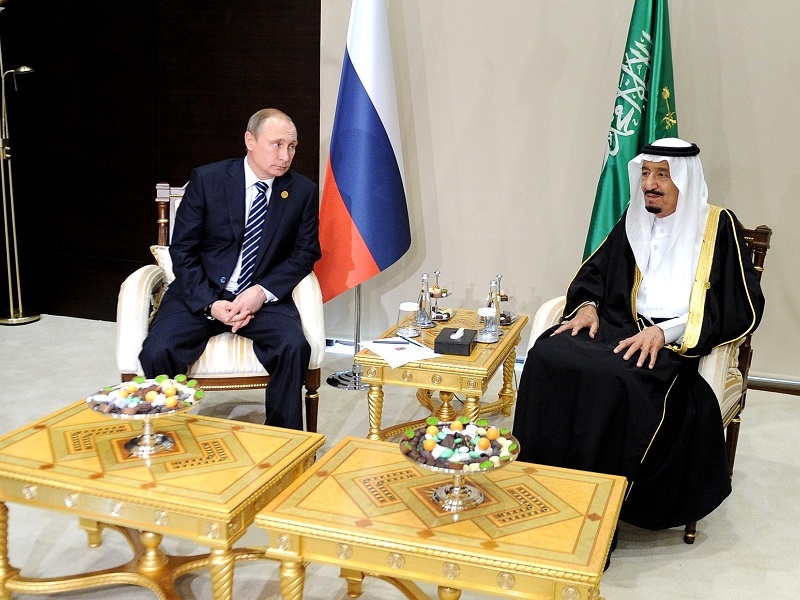
Iran and Russia are interested in the overthrow of the Saudi royal family, and they may try to test whether President Obama may do something to stop them, says The Wall Street Journal. This is because of the fierce reaction of Iran and its allies to death of 47 people in Saudi Arabia, including well-known Shiite preacher Nimr Al-Nimr. The accusation for execution by Saudi Arabia was about terrorist activities.
On Sunday, Iran's supreme leader Ayatollah Ali Khamenei promised Saudi authorities a divine revenge for the execution of the Shiite preacher. His death has caused mayhem of Saudi Embassy in Tehran. Many international organizations say that the situation will only get worse. Meanwhile, Shiites in some countries promise new large-scale protests. The situation is heating up: the war in the region acquires a religious character.
Saudi Arabia announced the severance of diplomatic relations with Iran. This event has become the main event for black gold market in the beginning of the year.
On the London ICE Futures Exchange, oil futures for Brent crude for February delivery rose 1.45% to $ 37.82 per barrel.
Meanwhile, February futures of WTI on the New York Mercantile Exchange (NYMEX) grew in price by 0.88% to $ 37.37 per barrel.
According to Bloomberg, Saudi Arabia and Iran rank first and fifth place, respectively, in terms of oil production among OPEC countries.
Iran has enough reason to want to overthrow the regime in Saudi Arabia, which is its main antagonist in the conflict of Shiites against the Sunnis, which engulfed the region. Both countries are in a proxy war in Yemen. Saudi Arabia is also on the side of the Sunnis who are fighting against Syrian President Bashar Assad, while Russia and Iran are the allies of Assad.
In addition, increased oil production in Saudi Arabia keeps oil prices at a record low. As a major exporter of OPEC, Saudi Arabia has refused to cut production in order to balance the market, causing the price to drop to $ 37 per barrel. This means that Iran will get much less benefit from the opportunities of oil exports after the lifting of Western sanctions.
The growth of exports from Saudi Arabia has also a negative impact on Russia, the second-largest producer of oil in the world, which, according to some reports, required oil price of $ 100 per barrel to fulfill election promises of Vladimir Putin.