

Dollar rose against the yen after Abe comments 15.02.2016
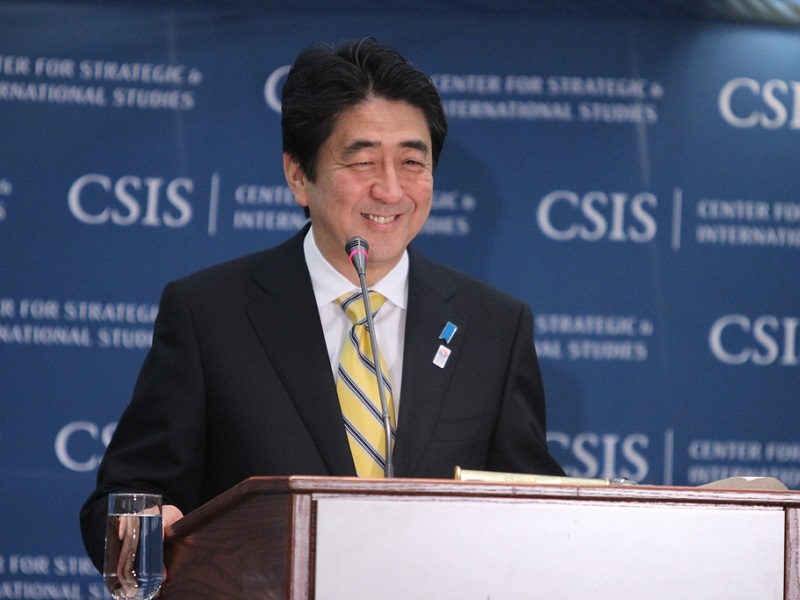
The dollar increased against the yen on Monday amid criticism of the Japanese leader on overly volatile currency markets, as well as after the consolidation of the majority of stock markets, weakening the demand for safe Japanese currency.
The stock index MSCI of Asia Pacific region outside Japan gained 2.24 % after losing nearly 4 % last week, while the Japanese Nikkei index rose 7.3 %.
Data on trade in China fell short of expectations: exports in January fell 11.2 %year on year.
Data from Japan showed that the country's economy shrank more expected in the last quarter of last year due to a fall in consumer spending and exports. Japan's GDP fell 1.4 % in October-December on an annual basis against market forecasts of a 1.2 % decline.
Japanese Prime Minister, Shinzo Abe, told the parliament that "excessive exchange rate volatility is undesirable" and that Tokyo will take appropriate action in the foreign exchange market if necessary.
Abe also said he hopes that the financial G20 leadership will take appropriate action to deal with global economic issues at a meeting in Shanghai next week.
Comments of the Prime Minister helped the dollar to reach a session peak at 113.87 against the yen.
"The dollar has moved away from the lows, but Abe reminded markets that intervention is possible", - said Kaneo Ogino of Global-info Co in Tokyo.
The euro fell 0.3 % to $ 1.1215, down from a peak of three and a half months at $ 1.1377 reached last week. However, it rose against the yen, gaining 0.2 %to 127.79, and moving away from a minimum of two and a half years at 125.795.
People's Bank of China took advantage of the recent fall of the dollar and set the highest median rate of the Yuan in a month, hoping to quell the rumors about a possible devaluation.
The Australian dollar ignored the weak data on trade in China and took advantage of the efforts of risk appetite, gaining 0.8 % to $ 0.7168, while the New Zealand dollar rose 0.5 % to $ 0.6662.